


That recurring tooth pain is not always “just sensitivity.” In many cases, it is the earliest warning sign that a deep tooth infection has already reached the nerve.
At Smile & Profile Dental Treatment Centre, patients often arrive after weeks of ignoring symptoms like chewing pain, swelling, or lingering sensitivity, only to discover they already need urgent root canal treatment in Kolkata.
How a Root Canal Saves an Infected Tooth
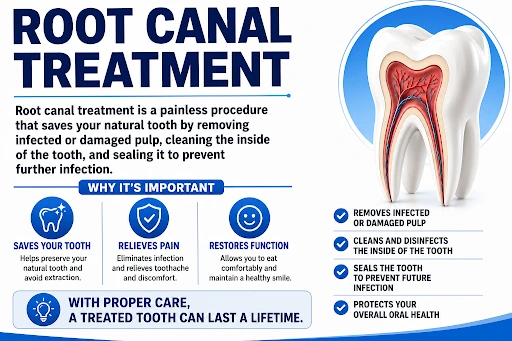
When bacteria reach the inner pulp of a tooth, infection can cause severe pain, sensitivity, swelling, and even tooth loss if left untreated. Root canal treatment removes the infected pulp, cleans and disinfects the root canals, and seals the tooth to prevent future infection. This allows the tooth to be preserved rather than extracted, helping restore comfort, function, and long-term oral health.
Here are 10 signs that you may need a root canal treatment before the infection worsens.
1. Persistent Tooth Pain That Keeps Returning
Persistent Tooth Pain Is One of the Strongest Signs You May Need Root Canal Treatment
Deep throbbing pain that repeatedly returns often indicates inflammation or infection inside the tooth pulp.
Many patients with infected tooth nerves initially ignore the pain because it temporarily settles after taking painkillers. However, a bacterial infection inside the root canal usually continues to spread silently beneath the surface.
Common Symptoms of Tooth Nerve Infection
- pain worsening at night
- pressure inside the jaw
- pain without eating
- discomfort spreading toward the ear
- throbbing pain that returns repeatedly
2. Lingering Sensitivity to Hot or Cold Foods
Long-Lasting Hot or Cold Sensitivity May Indicate Dental Pulp Infection
Sensitivity that continues for several seconds after hot tea, coffee, or cold drinks are removed may indicate deep nerve irritation inside the tooth.
Healthy teeth usually react briefly to temperature changes. Lingering pain often means the infection has already reached the inner pulp chamber.
Warning Signs That the Tooth Nerve May Be Damaged
- Sharp pain after hot drinks
- Lingering cold sensitivity
- Worsening reactions over time
- Discomfort lasting after eating
- Sensitivity becomes more intense weekly
Patients delaying treatment for severe cavity pain often experience this symptom before developing abscess formation.
3. Swollen or Tender Gums Near One Tooth
Swollen Gums Around One Tooth Often Signal a Deep Tooth Infection
Swelling near a single tooth commonly develops when infection spreads beyond the tooth root into the surrounding gum tissues.
In many advanced cases, infected fluid begins collecting near the root tip, creating pressure and tenderness.
Symptoms Commonly Seen With Root Infection
- red swollen gums
- tenderness while brushing
- pain while touching the gums
- raised gum tissue
- swelling affecting one specific tooth
4. Pain While Chewing or Biting
Pain During Chewing May Mean the Infection Has Reached the Tooth Root
Sharp pain while chewing often develops when inflamed tissues surrounding the infected root become irritated by pressure.
This symptom commonly appears once a deep tooth infection begins affecting the supporting ligament around the tooth.
Common Chewing Pain Symptoms
- Pain during eating
- Discomfort while releasing the bite
- Pressure sensitivity on one side
- Sharp pain while chewing
- Inability to bite properly
5. A Darkened or Discoloured Tooth
Tooth Discolouration May Mean the Tooth Nerve Is Dying
A tooth becoming grey, dull, brownish, or darker than the surrounding teeth may indicate internal nerve death due to trauma or a long-standing infection.
When the blood supply inside the tooth decreases, the tooth structure may gradually darken from within.
Possible Causes of Tooth Darkening
- Dead pulp tissue
- Internal tooth infection
- Previous dental trauma
- Reduced blood circulation inside the tooth
Even painless discoloured teeth may still require evaluation.
6. Deep Cavities Close to the Tooth Nerve
Deep Cavities Are One of the Leading Causes of Root Canal Treatment
Untreated cavities allow bacteria to penetrate deeper into the tooth layers until the infection reaches the dental pulp.
Once the cavity enters the nerve chamber, simple fillings are often no longer enough to stop the infection.
Signs the Cavity May Have Reached the Tooth Nerve
- Visible holes in the tooth
- Food constantly getting trapped
- Severe cavity pain
- Lingering sensitivity
- Pain near deep decay
7. Cracked or Chipped Tooth Causing Sensitivity
Cracked Teeth Can Allow Bacteria to Infect the Tooth Internally
Even small tooth cracks can create microscopic openings that allow bacteria to enter deeper into the tooth structure.
Without treatment, the crack may gradually expose the dental pulp, leading to infection.
Symptoms Often Seen With Cracked Teeth
- Pain while biting
- Sensitivity to hot or cold foods
- Discomfort after chewing hard foods
- Visible crack lines
- Sudden sharp pain during eating
8. A Gum Boil or Pus Discharge
Gum Boils and Pus Discharge Usually Indicate Dental Abscess Formation
A pimple-like swelling on the gums often indicates pus draining from an infected tooth root.
This is one of the clearest signs that bacteria have spread beyond the tooth and into nearby tissues.
Symptoms Associated With Tooth Abscess Infection
- Pus discharge
- Swelling with tenderness
- Bad taste in the mouth
- Repeated boils on the gums
- Foul-smelling discharge
Pus drainage may bring temporary relief, but timely root canal treatment helps prevent the infection from spreading deeper into the bone.
9. Facial Swelling or Jaw Pain
Facial Swelling May Mean the Tooth Infection Is Becoming Dangerous
Facial swelling with tooth pain may indicate advanced bacterial spread affecting nearby tissues, jawbone, or facial spaces.
At this stage, delaying treatment increases the risk of serious infection-related complications.
Symptoms That Need Immediate Dental Evaluation
- swollen cheeks
- jaw tenderness
- facial pressure
- gum tightness
- difficulty chewing properly
Swelling around an infected tooth can worsen quickly, making timely treatment important to stop the infection from spreading into nearby tissues.
10. Pain Returning After Earlier Dental Treatment
Returning Pain After Fillings or Crowns May Mean Hidden Infection
Pain returning months after a filling, crown, or previous dental procedure may indicate hidden bacterial leakage beneath the restoration.
In many cases, decay slowly progresses underneath older dental work until the nerve becomes infected.
Common Warning Signs
- recurring throbbing pain
- discomfort while chewing
- pressure sensitivity
- pain near old fillings
- sensitivity beneath crowns
Recurring pain after earlier treatment may indicate a hidden root infection silently damaging the tooth.
What Happens If Root Canal Treatment Is Delayed?
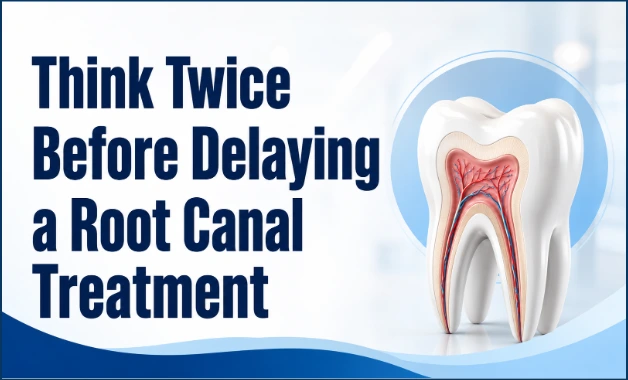
| Infection May Spread Into | Complications Without Treatment |
| The tooth root | Severe pain |
| Surrounding bone | Abscess formation |
| Nearby gum tissue | Facial swelling |
| Facial soft tissues | Difficulty chewing |
| Jaw-supporting bone | Bone damage |
| Adjacent teeth and tissues | Tooth loss |
Is Modern Root Canal Treatment Painful?
Modern root canal treatment is far more comfortable than most patients expect.
What Most Patients Commonly Experience
- Pressure rather than sharp pain
- Relief from infection-related discomfort
- Faster recovery than expected
- Improved comfort during treatment
Depending on the severity of infection, single-sitting root canal treatment may also be possible.
Root Canal Treatment vs Tooth Extraction: Key Differences
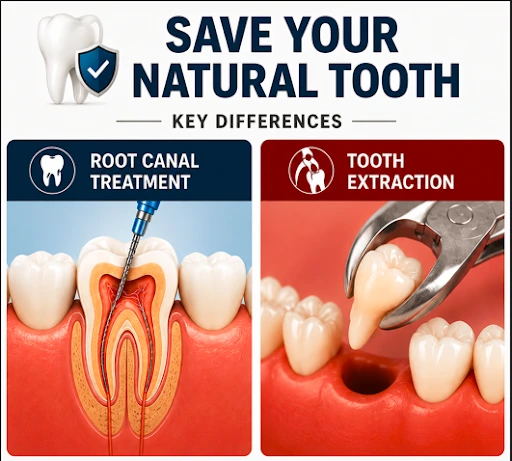
| Root Canal Treatment | Tooth Extraction |
| Preserves the natural tooth | Removes the tooth completely |
| Maintains chewing ability | May affect chewing function |
| Helps preserve jawbone support | Bone shrinkage may occur |
| Maintains bite alignment | Adjacent teeth may shift |
| Avoids replacement procedures | May require implants or bridges |
When Should You Visit a Dentist Immediately?
Seek urgent dental care if you experience:
- Severe swelling
- Fever with tooth pain
- Pus discharge
- Intense throbbing pain
- Spreading facial infection
- Difficulty opening the mouth
These symptoms may indicate advanced bacterial infection requiring immediate treatment.
Save Your Natural Tooth With Early Root Canal Treatment in Kolkata
Persistent tooth pain or sensitivity may signal a deep dental infection that has already affected the nerve.
Call 062921 09993 now to book your consultation at Smile & Profile Dental Treatment Centre
People Also Ask About Root Canal Treatment
1. Do you need a root canal even if the tooth pain comes and goes?
Yes. Intermittent tooth pain can still indicate an infected dental pulp or early nerve damage within the tooth.
2. What are the warning signs that a cavity has reached the tooth nerve?
Lingering sensitivity, severe cavity pain, throbbing toothache, swelling, and chewing discomfort are commonly indicative of a deep pulp infection.
3. Can a tooth infection spread into the jaw or face?
Yes. An untreated tooth abscess may spread into the jawbone, gums, facial tissues, and nearby teeth if left untreated for too long.
4. Why does an infected tooth hurt while chewing?
Chewing pressure irritates inflamed tissues surrounding the infected root, triggering sharp pain during biting.
5. Can a cracked tooth eventually require root canal treatment?
Yes. Cracks allow bacteria to enter deeper tooth layers and, over time, infect the tooth's nerve. Timely root canal treatment can prevent the damage from worsening.
Is saving the natural tooth better than extraction?
In most cases, yes. Root canal treatment usually preserves chewing ability, jaw support, and long-term oral function better than tooth removal.