

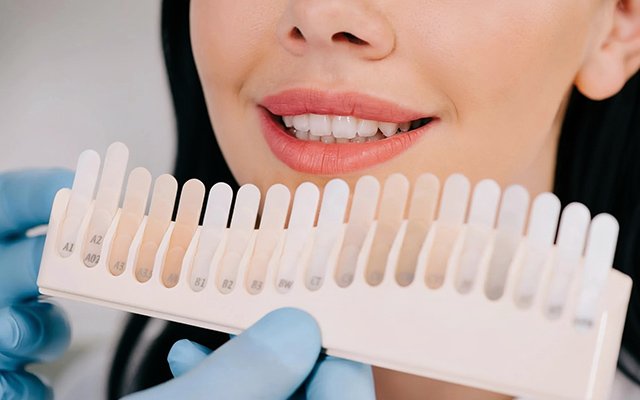
As people age, it is common to notice that their teeth no longer appear as bright as they once did. Teeth may gradually develop a yellow, dull, or stained appearance despite maintaining good oral hygiene. While this change is a natural part of ageing, several factors contribute to tooth discolouration.
Understanding why teeth become darker over time and how professional teeth whitening treatments help restore a brighter smile can help patients make informed decisions about their oral health.
Why Do Teeth Naturally Become Darker With Age?
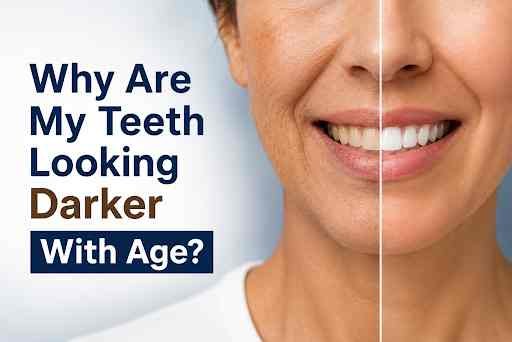
Teeth are made up of multiple layers. The outer layer, called enamel, is naturally white and translucent, while the inner layer, dentin, is yellowish. As people age, changes occur in both the inner and outer layers of the tooth, affecting its overall appearance.
- Enamel Thinning
Over the years, enamel gradually wears down from chewing, brushing, and exposure to acidic foods and beverages. As enamel becomes thinner, the naturally darker dentin underneath becomes more visible, making teeth appear yellow or dull.
- Dentin Changes
Ageing can also cause dentin to become thicker and darker. This increased density can reduce tooth brightness and contribute to a more yellow appearance.
- Accumulated Stains
Years of consuming tea, coffee, red wine, soft drinks, and coloured foods can lead to staining. Tobacco use is another significant contributor to long-term tooth discolouration.
- Reduced Saliva Production
Some individuals experience reduced saliva production with age, especially when taking certain medications. Saliva helps wash away food particles and bacteria, so reduced saliva can increase staining and plaque buildup.
External Factors That Accelerate Tooth Discolouration
While ageing plays a significant role, several additional factors can accelerate tooth darkening.
| Factors | How It Affects Teeth |
| Tea and coffee consumption | Causes surface staining over time |
| Smoking and tobacco use | Creates stubborn brown and yellow stains |
| Poor oral hygiene | Allows plaque and tartar accumulation |
| Certain medications | May cause intrinsic tooth discolouration |
| Excess fluoride exposure | Can lead to enamel discolouration |
| Dental trauma | May cause a tooth to darken internally |
| Ageing | Naturally exposes more dentin |
Types of Tooth Stains
Understanding the type of stain is important because it determines the most effective treatment approach.
- Extrinsic Stains
Extrinsic stains affect the outer enamel surface and are commonly caused by food, beverages, tobacco, and inadequate oral hygiene. These stains often respond well to professional cleaning and whitening treatments.
- Intrinsic Stains
Intrinsic stains occur within the tooth structure. They may result from ageing, trauma, medications, or developmental conditions. These stains are often more challenging to remove and may require advanced cosmetic dental procedures.
- Age-Related Stains
Many adults experience a combination of intrinsic and extrinsic staining. This mixed form of discolouration is one of the most common reasons patients seek teeth whitening procedures.
Is Professional Teeth Whitening Right for You?
It may be suitable if you notice:
- Yellow or dull-looking teeth
- Staining from tea, coffee, or tobacco
- Uneven tooth colour
- Discolouration affecting confidence
- Healthy teeth and gums without active infection
- Desire for a brighter smile before an important event
A dental examination can determine whether whitening is the most suitable option based on the cause of discolouration.
How Does Professional Teeth Whitening Improve Tooth Colour?
Professional teeth whitening improves tooth colour through chemical oxidation, where concentrated peroxide gels penetrate enamel to break down and dissolve deeply embedded stain molecules.
The Whitening Process
- Enamel Penetration: Peroxide gel safely passes through porous enamel to reach internal discoloured areas.
- Oxidation Reaction: Active oxygen radicals target and break the chemical bonds of dark stain compounds.
- Stain Eradication: This molecular breakdown lifts both surface-level and deep, intrinsic structural discolouration.
- Shade Lightening: The safe chemical process alters the underlying tooth colour by multiple shades.
What Teeth Whitening Treatments Are Available for Stained or Discoloured Teeth?
Laser-Assisted Whitening
A professional whitening gel is applied to the teeth and activated using laser light to accelerate stain removal. It is suitable for patients who want faster, noticeable whitening results in fewer sessions.
Power Bleaching Treatment
This treatment uses a high-strength whitening gel without laser or light activation. It effectively targets moderate to severe tooth discolouration and is performed under professional dental supervision.
Zoom Light-Activated Whitening
Zoom whitening combines a professional whitening gel with a specialised LED or UV light. Completed in multiple short cycles during a single appointment, it delivers rapid cosmetic improvement for a brighter smile.
Internal Tooth Brightening
Designed for teeth darkened after root canal treatment or trauma, this procedure places the whitening agent inside the tooth to restore a more natural, uniform colour.
Custom Whitening Trays
Custom-made trays and professional-grade whitening gel allow gradual, controlled teeth whitening at home under a dentist's guidance, providing predictable and even shade improvement.
In-Clinic Teeth Whitening vs Home Remedies
| Professional Whitening Treatment | Home Remedies |
| Performed under dental supervision | No professional guidance |
| Uses clinically approved whitening agents | Often unproven methods |
| Predictable and controlled results | Inconsistent outcomes |
| Safer for teeth and gums | Risk of enamel irritation |
| Addresses deeper stains effectively | Limited effectiveness |
| Customised treatment plans | One-size-fits-all approach |
For individuals seeking noticeable, long-lasting improvements, professional dental whitening generally offers more reliable results.
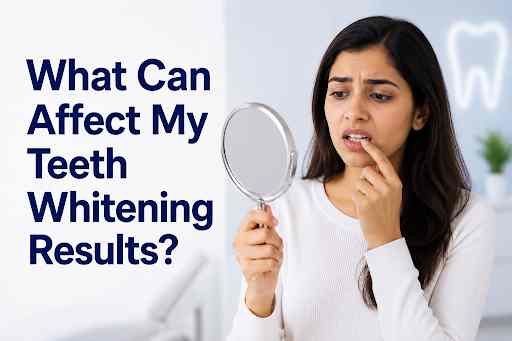
Factors That Influence Teeth Whitening Results
- Original Tooth Colour
Teeth with yellow tones often respond more effectively to treatment than those with grey or brown intrinsic stains.
- Type of Discolouration
Surface stains generally respond better than deep internal stains.
- Oral Health Status
Healthy teeth and gums support safer and more effective whitening outcomes.
- Lifestyle Habits
Continued smoking or frequent consumption of staining beverages may affect the longevity of results.
How Long Does Professional Teeth Whitening Take?
| Treatment Stage | Approximate Duration | What Happens? |
| Consultation | 10-15 minutes | The dentist examines your oral health, discusses your goals, and determines whether teeth whitening is suitable for you. |
| Pre-cleaning | 15-20 minutes | Professional cleaning removes plaque, tartar, and surface stains to ensure even whitening results. |
| Whitening Procedure | 30-60 minutes | A professional whitening gel is applied to the teeth and, depending on the technique, may be activated with a laser or specialised light. |
| Total In-Clinic Time | 60-90 minutes | The complete teeth whitening treatment is usually finished in a single dental visit. |
How Long Do Teeth Whitening Results Last?
Results typically last 6 months to 2 years, although some patients may maintain results for up to 3 years.
Longevity depends on:
- Oral hygiene practices
- Smoking or tobacco use
- Consumption of staining foods and drinks
- Professional dental cleanings
- Regular dental check-ups
Periodic touch-up treatments and professional maintenance can help keep teeth whiter for longer.
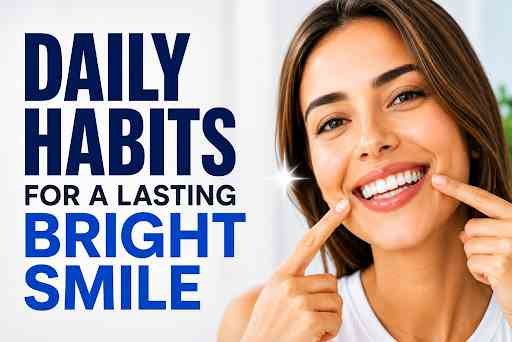
Tips to Maintain a Brighter Smile
- Maintain Good Oral Hygiene
Brush twice daily using a fluoride toothpaste and clean between teeth regularly.
- Limit Staining Foods and Drinks
Reducing consumption of coffee, tea, cola, and strongly pigmented foods may help prevent new stains.
- Stop Tobacco Use
Avoiding smoking and smokeless tobacco can significantly reduce future staining.
- Attend Regular Dental Check-Ups
Routine dental examinations allow early detection and removal of plaque and tartar before they contribute to discolouration.
- Stay Hydrated
Adequate water intake helps rinse away food particles and staining substances.
Ready for a Brighter Smile? Here's Your Next Step
Step 1: Book your consultation
Identify the cause of tooth discolouration and find out whether professional teeth whitening is suitable for you.
Step 2: Receive your personalised plan
Get recommendations based on your tooth shade, oral health, existing dental work, and the type of stains affecting your teeth.
Step 3: Brighten your smile
Complete a professionally supervised whitening procedure and follow simple aftercare instructions to maintain longer-lasting results.
With 50+ dental treatments, including teeth whitening, Smile & Profile Dental Treatment Centre has transforms smiles for 12L + patients across Kolkata.
Call 062921 09993 today and speak to our dental specialists.
People Also Ask
Why Do Teeth Become Yellow as People Get Older?
As enamel naturally wears down with age, the darker dentin beneath becomes more visible. This can make teeth appear more yellow or dull over time.
Can Age-Related Tooth Discolouration Be Improved?
Yes. Many age-related stains and colour changes can be significantly reduced with appropriate cosmetic dental treatments, helping restore a brighter, more youthful appearance.
Is the Whitening Procedure Safe for Enamel?
When performed by a qualified dentist, whitening is generally safe and does not damage healthy tooth enamel.
How Much Time Does It Take to Improve Tooth Colour?
Most in-clinic whitening procedures take 30 to 90 minutes, depending on the treatment method and the severity of staining.
Can Tobacco Stains Be Removed From Teeth?
Many tobacco-related stains can be significantly reduced through cosmetic dental treatments. However, severe or long-standing discolouration may require additional procedures for optimal results.
Do Crowns or Veneers Become Whiter After Treatment?
No. Crowns, veneers, and tooth-coloured fillings do not respond to whitening agents. Their shade remains unchanged and may appear darker if the surrounding natural teeth become lighter.